
User Group Meeting 2024

Join us
October 17th, 2024 | 14:00pm – 16:30pm UK Time

Join us for our first virtual conference on October 17th, 2024, for an interactive event, specially designed for PhysioMimix® users, partners, collaborators, and those interested in our Organ-on-a-Chip (OOC) technology. Discover the Value of OOC in Today’s Drug Development and Research Markets:

  • Real-world customer journeys – learn about success stories and the impact of OOC technology.
  • Expert insights – what’s new and what’s next from CN Bio.
  • Interactive poster sessions – engage with the latest in microphysiological systems (MPS) applications.
  • Keynote presentation – dive deep into the world of PhysioMimix®.
  • Virtual product showcase – explore the latest advancements.

Gain insights into the successes and challenges of the early OOC adopters, learn more about the benefits of incorporating MPS technology into your workflows, and equip yourself with practical knowledge to decide if OOC is right for you.
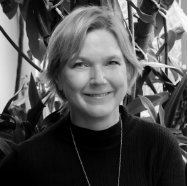
Prof. Linda Griffith

School of Engineering Professor of Teaching Innovation in Biological Engineering at the Massachusetts Institute of Technology 
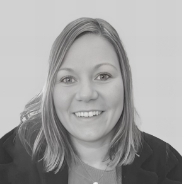
Speaker bio

Linda Griffith received her BS in from Georgia Tech (1982) and her PhD from UC Berkeley (1988), both in Chemical Engineering. She is currently the School of Engineering Professor of Teaching Innovation in Biological Engineering at the Massachusetts Institute of Technology, where she also directs the Center for Gynepathology Research. She is a member of the National Academy of Engineering, the National Academy of Medicine, the National Academy of Inventors,  the American Academy of Arts and Sciences, a MacArthur Foundation Fellow, and has received numerous other awards from professional societies and from MITShe serves on the advisory board of the Society for Women’s Health Research and has served on the advisory committee to the director of the National Institutes of HealthShe is a founding member of MIT’s Biological Engineering Department and is recognized at MIT as a MacVicar Fellow, awarded for excellence in undergraduate education. 

Dr. Claire Caygill

Liverpool School of Tropical Medicine
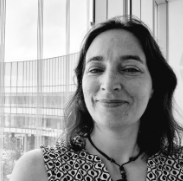
Speaker bio

Claire Caygill is a Post-Doctoral Research Associate within the Infection Biology and Therapeutics research group at Liverpool School of Tropical Medicine. Her research focuses on development of advanced human infection models to identify therapeutics and better understand the host response to infectious diseases affecting resource poor populations and low-middle income countries. Claire has most recently been using CN-Bio’s lung-on-a-chip and liver-on-a-chip platforms to characterise SARS-CoV-2 variants in upper and lower airway models, whilst utilising liver-on-chip to access SARS-CoV-2 therapeutic potential.  

Abstract

Organ-on-a-chip models to study SARS-CoV-2 infection 

Traditional in vitro cell culture models are unable to effectively replicate complex tissues or the human physiological environments needed to fully characterise infectious diseases. Alternatives, such as animal models, are expensive and have fundamental differences to the human host which prevent direct comparisons to be made. Dynamic microphysiological systems (MPS) have the potential to bridge the knowledge gap between traditional in vitro models and human clinical trials to enable us to understand SARS-CoV-2 infection and identify effective therapeutics. 

We have undertaken experiments to characterise a ‘dynamic’ primary cell lung-on-a-chip system (CN-Bio’s PhysioMimix™) compared to a traditional ‘static’ model. We will present data which shows significant differences between tissue physiology following infection, as well as differences in gene expression, not only between models, but also between SARS-CoV-2 variants. We will also present data demonstrating the utility of liver-on-chip models to identify therapeutics against SARS-CoV-2. 


Amélie Moreau, PhD

Servier R&D Institute 

Speaker bio

Amélie Moreau defended her PhD in molecular biology, dealing with the detoxication process and crosstalks occurring with other physiologic pathways within Prof. Patrick Maurel’s laboratory in Montpellier (France, INSERM). She then joined Prof. Olivier Fardel’s team in Rennes (France, INSERM) where she explored deeper drug transporters functioning. Her experience in drug-drug interactions and in vitro pharmacokinetics in Servier DMPK’s team help her to have a great overview of the different ways to explore drug fate in the human body

Organ on chip added value on ADME issues 


Pre-clinical drug development requires the most relevant models to investigate the problems that arise during drug candidate evaluation.  

Several models are used at the moment in order to answer specific ADME questions, but weak in vitro–in vivo correlations continue to emerge, highlighting gaps in the models. 

Using more comprehensive and relevant in vitro cultures and combining multiple readouts could help to fill this gap.  

The development of the use of Organ on chip to solve ADME issues is definitely a way to reach this goal. It will help to improve early prediction and would also be a part of the development of personalized medicine. 

During this talk, I will present our actual strategy and the pitfalls we encountered. 


CN Bio is committed to protecting and respecting your privacy. We will use your contact information to respond to your inquiry and thereafter, to keep you up to date with news, insights, and relevant content that may be of interest to you. You can unsubscribe from these communications at any time. Please review our Privacy Policy for more detail.